Breast Augmentation — Cyprus & Athens

Fuller. Proportioned.

Entirely natural.

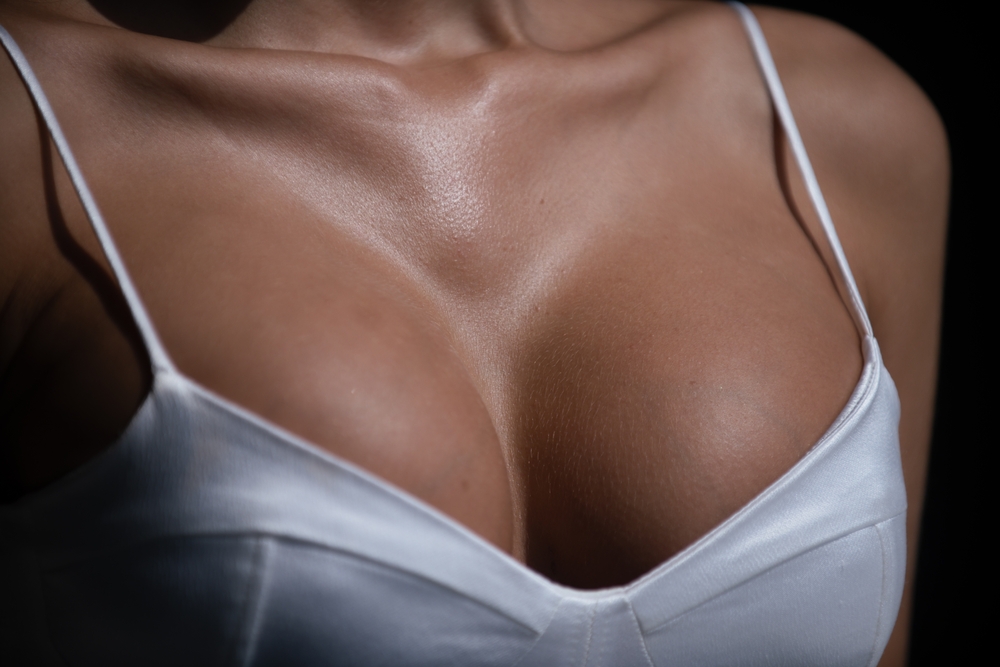
Breast augmentation tailored to your anatomy — not to a template. Dr. Kassos applies surgical precision and an artistic eye to achieve results that are balanced, harmonious, and genuinely yours.
45–90

Minutes

General

Anaesthesia

Day Case

Hospital Stay

1 Week

Return to Work

6–8 Wks

Exercise

3–6 Mo.

Final Results

Overview

A procedure as unique as

the woman it is designed for.

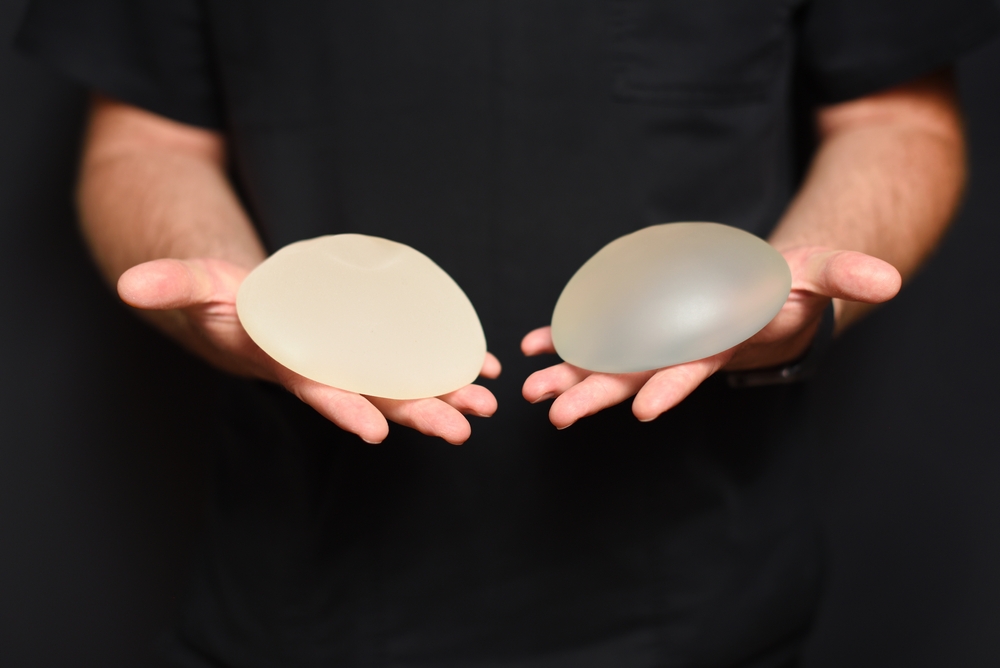
Breast augmentation — known clinically as augmentation mammaplasty — is a surgical procedure that increases breast volume, improves shape, and restores proportions through the placement of silicone implants. It is one of the most frequently performed aesthetic surgeries in the world, and at Dr. Kassos’ practice, one of the most carefully personalised.

The goal is never simply “bigger.” It is to create a result that looks and feels like an entirely natural extension of your body — one that enhances your silhouette without announcing itself. Dr. Kassos selects the implant base diameter, not the cup size, as the primary criterion: it must match the width of your chest to guarantee a result that is integrated and proportionate.

When significant ptosis (sagging) is present, a breast lift (mastopexy) may need to be combined with implant placement to achieve the desired outcome. This is discussed in detail during your consultation.

Candidacy

The right patient for

the right result.

Breast augmentation is appropriate for a broad range of women, but achieving an excellent, durable outcome depends on careful pre-operative assessment. Dr. Kassos takes a thorough approach to candidacy evaluation — not to gatekeep, but because a well-matched procedure is a good outcome, and a poorly-matched one is not.

The ideal candidate is in good general health, has realistic expectations, and is seeking to enhance her natural proportions rather than to achieve an exaggerated or artificial appearance.
01

Small or underdeveloped breasts

Women who have always had naturally small breasts and wish to achieve a fuller, more proportioned silhouette. The most straightforward indication — and the one where the most consistent, long-lasting results are achievable.

02

Volume loss after pregnancy or weight change

After pregnancy or significant weight loss, the breast may deflate, lose shape, or develop ptosis. Augmentation restores natural fullness. When ptosis is significant, a combined augmentation-mastopexy is discussed.

03

Breast asymmetry

A meaningful size difference between the two sides can be corrected by selecting different implant volumes, tailored per breast. This requires meticulous pre-operative planning and an experienced eye for bilateral symmetry.

04

Revision after prior surgery

Women dissatisfied with a previous augmentation — whether due to implant size, shape, malposition, or technique — who are seeking a superior outcome. Revision cases require careful assessment of the existing implant pocket and skin envelope.
Candidates should be adults at a stable body weight, non-smokers (or willing to cease smoking well before surgery), without active cardiovascular or pulmonary disease, and not planning pregnancy in the near term. Dr. Kassos will tell you clearly if timing or anatomy means the procedure is not right for you now.

Philosophy

"Creating a natural breast is as much an art as it is a science. Volume alone is never the goal — the goal is harmony."

Proportional by Design

The base diameter of the implant — not its volume in cc — is the primary selection criterion. It must match the width of your natural breast footprint to guarantee a result that is integrated, balanced, and genuinely natural. An implant that is too wide for the chest produces an artificial result regardless of how it is placed. This is the first question Dr. Kassos answers with every patient.

Individual Assessment

Skin quality, glandular tissue volume, body frame, soft tissue envelope, and existing breast shape are all evaluated before any recommendation is made. No two consultations are the same, because no two patients are the same. The implant type, profile, and pocket plane are decided together — not presented as a standard package.

Surgical Precision

Experience gained through advanced surgical practice shapes a precise, structured approach to aesthetic breast surgery focused on natural and lasting results.

Candidacy

Precision from

incision to closure.

Dr. Kassos performs breast augmentation under general anaesthesia in an accredited surgical facility in Nicosia, Limassol, or Athens. The procedure typically takes 40–45 minutes. No drains are placed, and patients go home the same day. The technique is consistent across all three locations — the same surgeon, the same approach, the same standard.

01

Pre-Operative Planning & Implant Selection

Before surgery, a comprehensive consultation includes physical measurements, tissue assessment, and shared decision-making on implant type (round vs anatomical), size, surface (smooth or micro-textured), and pocket placement. The goal is to match implant geometry to your specific anatomy. Implants are measured in cc of volume, but the critical number is the base diameter in centimetres — that is what Dr. Kassos fits to your chest width first.

02

Anaesthesia

All breast augmentation procedures are performed under general anaesthesia with a specialist anaesthesiologist present throughout. Local anaesthetic is also administered to the operative site, minimising post-operative discomfort even after waking.

03

Inframammary Incision

A precisely placed, short incision is made in the natural inframammary fold — the crease beneath the breast. This location heals predictably, allows optimal pocket control, and results in a scar that is essentially invisible in the standing position. The incision length is deliberately minimised through dedicated insertion instruments. The inframammary approach is Dr. Kassos’ technique of choice: it is the most controllable, the least likely to affect ductal anatomy, and the most consistent in scar outcome.

04

Pocket Creation

The implant pocket is created in the plane most appropriate for your anatomy — subglandular, subfascial, or dual-plane. Subglandular placement (between the gland and the muscle) has a shorter recovery and suits patients with adequate tissue coverage. Subfascial positions the implant beneath the pectoral fascia while preserving the muscle itself — providing additional soft-tissue coverage while avoiding muscle division and maintaining natural breast movement. Dual-plane combines coverage where needed with more natural movement and minimal animation deformity.

05

No-Touch Insertion with Keller Funnel

Dr. Kassos uses the Keller Funnel — a sterile sleeve device — to introduce the implant without direct contact with surgical gloves. Direct contact introduces micro-particles and bacteria that the body responds to over time. The Keller Funnel eliminates this contact, materially reducing one of the most feared long-term complications of breast augmentation: capsular contracture. The implant is centred precisely behind the nipple-areola complex for optimal aesthetic symmetry.

06

Closure Without Drains

The incision is closed in layers with absorbable sutures that dissolve on their own — no removal required. No drain tubes are placed. This is possible due to the precision of the dissection and meticulous haemostasis, and is a key reason why recovery is faster and considerably more comfortable than with traditional approaches. Patients go home on the day of surgery without any tubes or dressings to manage.

Option Characteristic Best Suited For
Round Fuller upper-pole projection. Maintains shape in any position. Patients with adequate existing tissue wanting visible enhancement.
Anatomical (Teardrop) Natural breast slope. More volume lower pole. Mimics natural shape. Slender patients with thin skin or minimal existing breast tissue.

Results

Natural. Proportioned.

Yours.

Modern silicone implants bear little resemblance to those of previous decades. The latest generation uses a semi-solid cohesive gel that maintains its shape even if the outer shell were disrupted — there is no liquid silicone to migrate. They are softer, more natural to the touch, and structurally far more durable. The final result — immediately visible after surgery, then gradually softening and settling over six months — will be a breast that looks proportioned, feels natural, and moves naturally. Dr. Kassos will not recommend an implant size that creates an appearance disproportionate to your body frame. The two sides may heal at slightly different rates in the weeks following surgery — this is entirely normal and not cause for concern. Final stabilisation of shape and symmetry occurs at approximately six months.
On mammography: Breast augmentation does not prevent mammographic screening. Patients are advised to inform the radiology team of their implants when booking. With appropriate technique, accurate imaging remains entirely possible. Women over 40 should continue routine screening post-operatively. Silicone implants have not been shown to cause breast cancer.

Candidacy

Faster than you expect.

Particularly without drains.

Recovery is faster than most patients expect, particularly without drain tubes.

Recovery from breast augmentation in Cyprus typically takes 1 week to return to desk work, 2–3 weeks for light activity, and 6–8 weeks for full gym workouts. Chest-loading exercises are deferred to 8–12 weeks. Most patients go home the same day as surgery and are surprised by how manageable the recovery is, particularly without drain tubes.

Day 1

Surgery

Procedure Day

40–45 min surgery. Home same evening. Walking within a few hours. First shower the following morning. No drains to manage.

2–3

Days

Mild Discomfort

Moderate chest tightness and mild soreness. Managed with standard analgesics. No drain discomfort — a significant advantage over traditional approaches.

Wk 1

Short-Term

Return to Work

Moderate chest tightness and mild soreness. Managed with standard analgesics. No drain discomfort — a significant advantage over traditional approaches.

2–3

Weeks

Increasing Mobility

Arm range of motion improving. Light activity resumed. Swelling reducing. Sleeping on side permitted after week two.

Mo. 2

Active

Sport Resumed

Arm range of motion improving. Light activity resumed. Swelling reducing. Sleeping on side permitted after week two.

Mo. 6

Final

Full Stabilisation

Implants fully settled. Swelling resolved. Both sides symmetrical. Final result established and lasting.

Individual recovery varies. The timeline above reflects typical experience using Dr. Kassos’ no-drain technique. Your surgeon will provide personalised guidance at every follow-up visit.

Risks

An honest

discussion.

Breast augmentation, performed by a qualified plastic surgeon in an accredited facility, carries a very low complication rate. All pre-operative investigations are designed specifically to minimise individual risk. Dr. Kassos believes every patient deserves a candid, complete picture — not reassurance for its own sake.
The body naturally forms a thin scar capsule around any implant. In a minority of cases this capsule thickens, hardening the breast and altering its shape. Risk has fallen significantly with modern smooth implants, the Keller Funnel no-touch technique, and the elimination of macro-textured implants from this practice. If it occurs, revision surgery is available.
Temporary numbness, tingling, or heightened sensitivity around the nipple and incision site is common post-operatively. In the vast majority of patients, normal sensitivity returns within two to three months, occasionally up to two years. Permanent change is uncommon.
Rare. During healing, an implant may shift slightly from its intended position. This risk is reduced by precise pocket creation and adherence to post-operative activity restrictions in the first weeks. If it occurs, revision is straightforward.
An extremely rare association between macro-textured implants and a specific type of anaplastic lymphoma (BIA-ALCL) has been identified. Dr. Kassos does not and has never used macro-textured implants. All implants used are smooth or micro-textured — this risk does not apply to this practice.
Surgical site infection risk is very low when prophylactic antibiotics are administered and the no-touch Keller Funnel technique is used. Signs of infection are reviewed at every follow-up appointment.
Modern silicone implants are designed for long-term use and do not require scheduled replacement. Exchange surgery is only indicated if complications develop or if aesthetic preferences change. Over time, natural ageing processes and changes in body weight or hormonal status may affect breast shape independently of the implant itself.

FAQ

Questions we

hear most often.

These are the questions Dr. Kassos is asked most frequently in consultation. If yours isn’t listed, bring it — no question is too small.

Does breast augmentation hurt?
Breast augmentation is performed under general anaesthesia so you feel nothing during the procedure; post-operatively, most patients describe mild-to-moderate chest tightness for 2–3 days, managed effectively with standard painkillers.

Breast augmentation is performed under general anaesthesia so you feel nothing during the procedure; post-operatively, most patients describe mild-to-moderate chest tightness for 2–3 days, managed effectively with standard painkillers.

Yes — breast augmentation performed via the inframammary incision does not interfere with the milk ducts or glandular tissue, so breastfeeding after augmentation is entirely possible in most cases.
The inframammary approach avoids the ductal anatomy entirely, leaving breastfeeding function unaffected. The situation may differ when augmentation is combined with a breast lift (mastopexy), which is a more invasive procedure that can, in some cases, affect ductal anatomy. This distinction is discussed clearly before any combined procedure.
Yes — with modern cohesive silicone gel implants and careful implant selection matched to your anatomy, results today are fundamentally different from the obviously augmented look of the past.
The implant sits beneath warm tissue and is never in direct contact with the skin surface, so it will not feel cold or obviously artificial to the touch. The key determinant of a natural result is not the implant itself — it is the selection of the correct implant base diameter relative to your chest width, and correct pocket placement. An implant that fits the anatomy produces a natural result; one that is too wide or too projecting for the chest does not.
Modern silicone implants do not have a fixed expiry date and replacement is not recommended on a schedule, only when a complication or aesthetic concern arises.
Claims of “lifetime” implants are not credible. At some point, further surgery is likely — the question is not whether but when. Implants are monitored with MRI screening every 2–3 years from year 5–6 onwards to check implant integrity. Body changes over time — weight, hormonal shifts, ageing — may also affect the appearance of the result before the implant itself needs changing. Dr. Kassos discusses long-term planning honestly at consultation.
Round implants provide fuller upper-pole projection; anatomical (teardrop) implants have more volume in the lower pole to mimic the natural breast slope — but neither type automatically produces a natural or unnatural result, which depends on the interaction between the implant and your specific anatomy.
A round implant in a patient with good existing tissue volume can look completely natural; an anatomical implant in a slender patient with minimal tissue can look beautiful and proportioned. The right choice is determined by your anatomy, not by a general preference for one type. This is all decided together at your consultation based on measurements and tissue assessment.
 
Yes — breast implants do not prevent mammographic screening; you simply need to inform the radiology team before the examination so they can use the appropriate views.
With the correct technique (Eklund displacement views), accurate imaging is entirely achievable even with implants present. Women over 40 should continue routine breast screening post-operatively, just as they would without implants. Silicone breast implants have not been linked to breast cancer in any clinical evidence. Ultrasound and MRI are also available as supplementary modalities when needed.
Light walking is encouraged from day one; low-intensity activity resumes after 2–3 weeks; full gym workouts after 6–8 weeks; chest-loading exercises (pressing, rowing, swimming) are deferred to 8–12 weeks.
Modern implants are tested to withstand the mechanical demands of sport once fully healed — there is no need to permanently limit physical activity. The restrictions in the first weeks exist to protect the healing implant pocket and prevent displacement during the fibrosis phase. Dr. Kassos provides a specific return-to-exercise guide at your first post-operative appointment.

No — GeSY does not cover elective cosmetic breast augmentation in the vast majority of cases, though coverage may apply for significant congenital asymmetry, post-mastectomy reconstruction, or documented developmental abnormality.

These exceptions are assessed individually. If you are enquiring about post-mastectomy reconstruction specifically, this is a different clinical pathway with different coverage rules — see the breast reconstruction pages for detail. The cost of your augmentation procedure will be discussed in full and in writing at consultation. There are no hidden fees and no additional charges applied after the quoted figure.

Begin with a conversation.

Not a commitment.

Your consultation with Dr. Kassos is an unhurried, private discussion of your anatomy, your goals, and whether breast augmentation is the right procedure for you. No pressure. No sales process. Just an honest, expert assessment — and the time to answer every question you have.

Consultations are available in Nicosia, Limassol, and Athens. Video consultations can be arranged for patients based in Greece or abroad.